Top Reasons to Provide Employees with Laptops in 2026
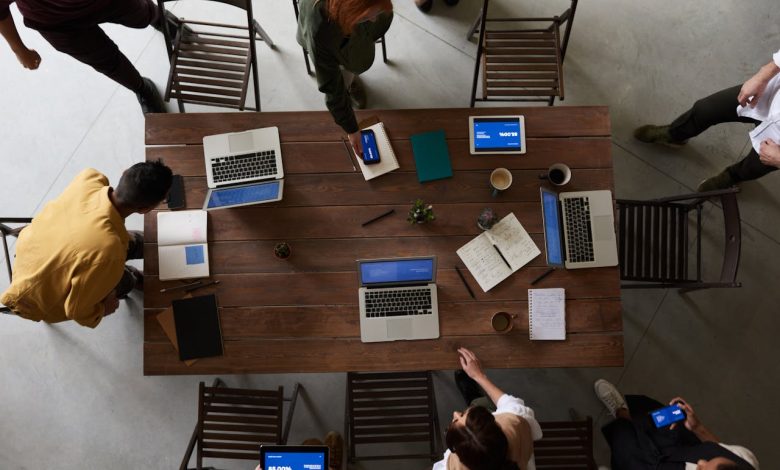
Bring-Your-Own-Device (BYOD) policies once seemed like the perfect balance for organizations—offering employee flexibility while reducing hardware costs for employers. However, by 2026, the corporate landscape has shifted significantly. BYOD is now linked to increased cyber vulnerabilities, inconsistent performance, IT complications, and compliance challenges. This has led businesses of all sizes to prioritize company-issued laptops as the standard.
While purchasing laptops for employees is a financial investment, the long-term benefits far outweigh the upfront cost. From improved security to seamless remote management and better productivity, supplying employees with standardized hardware creates a more stable and secure digital workplace.
Why Providing Employees with Laptops Makes Sense in 2026
1. Enhanced Security
Cybersecurity threats have become more advanced in 2026, with AI-driven attacks targeting weak endpoints—often personal devices. BYOD environments increase exposure to:
- Malware
- Phishing-based intrusions
- Unpatched systems
- Unauthorized apps
- Unsafe networks
Company-issued laptops mitigate these risks. IT teams can pre-install enterprise-grade protections including:
- Endpoint detection and response systems (EDR)
- Encryption
- Firewalls
- Advanced multi-factor authentication
- Automated patching
- Remote-wipe options
Standardizing devices allows businesses to maintain strict access controls and prevent data leaks or unauthorized system entry.
2. Improved Reliability & Productivity
Employees perform best when their tools support their workload. With personal devices, performance varies widely depending on age, hardware, and installed software.
Providing reliable, performance-optimized laptops ensures:
- Faster task completion
- Fewer crashes and disruptions
- Compatibility across teams
- Reduced frustration or bottlenecks
- Better experience for hybrid and remote workers
Companies should run a needs analysis to determine the ideal hardware for each department—for example, high-performance laptops for developers, lightweight models for sales teams, and secure, enterprise-grade models for executives.
3. Simplified IT Management
Managing a variety of personal devices makes the IT process complex and resource-heavy. Standardization solves this.
With company-issued laptops, IT departments gain:
- Unified device configurations
- Easier troubleshooting
- Predictable maintenance cycles
- Quicker repairs and replacements
- Streamlined software licensing
- Guaranteed compatibility with servers, cloud tools, VPNs, VoIP, and internal systems
Device Management Systems (MDM) allow IT teams to push updates, configure settings, monitor health, manage permissions, and support employees remotely. This is essential for hybrid teams in 2026.
4. Greater Control Over Systems
BYOD policies limit an organization’s authority over device configuration, app installation, or compliance enforcement. Company-owned laptops grant businesses full visibility and control, including:
- Blocking unsecured VPNs
- Restricting unauthorized downloads
- Monitoring user activity (ethically and legally)
- Applying custom security rules
- Managing data access
- Disabling risky browser extensions
This control is especially important for regulated industries like finance, healthcare, consulting, and technology.
FAQs: Providing Employees with Laptops in 2026
1. Why should companies provide laptops instead of using a BYOD policy in 2026?
In 2026, security and compliance requirements are stricter than ever. Company-issued laptops offer centralized controls and consistent security configurations that BYOD policies can’t provide. This reduces risk and improves business continuity.
2. Are company-issued laptops more secure than employee-owned devices?
Yes. Corporate devices come with enterprise-grade protection like encryption, firewalls, endpoint monitoring, and remote-wipe features, reducing the chances of cyberattacks or data breaches.
3. Is it expensive to give every employee a laptop?
There is an upfront investment, but it results in long-term savings by reducing IT troubleshooting costs, downtime, security incidents, and compatibility issues.
4. What type of laptops should employees get in 2026?
Businesses should choose role-based devices:
- Designers & developers → High-performance laptops
- Sales teams → Lightweight, portable systems
- Executives → Secure, enterprise-level models
This ensures cost-efficiency and performance optimization.
5. How does providing laptops help with hybrid or remote work setups?
Company-issued laptops ensure secure access to cloud tools, consistent work environments, smooth onboarding/offboarding, and remote support—making them ideal for distributed teams.
6. Can IT departments manage laptops remotely?
Yes. With modern MDM tools, IT can install updates, fix issues, run security scans, restrict access, and wipe lost devices—all remotely.
7. Does providing laptops improve productivity?
Absolutely. Employees work faster and more efficiently when using standardized, optimized, and reliable laptops tailored to their job requirements.
8. Is data protection easier with company-owned laptops?
Yes. Encryption, secure storage, and centralized access controls ensure sensitive data is well-protected and compliant with current regulations.
9. How do corporate laptops help with compliance in 2026?
Regulations like GDPR, HIPAA, PCI-DSS, and new AI governance laws require strict data handling. Company devices help maintain audit logs, enforce security controls, and manage access.
10. What about repairs and maintenance of company-issued laptops?
Most organizations use warranty programs, annual maintenance contracts, or replacement cycles, ensuring faster repairs and minimizing downtime.
Final Thoughts
Supplying employees with laptops is no longer just a convenience—it’s a strategic necessity in 2026. Standardized company devices improve security, boost productivity, enhance collaboration, simplify IT operations, and help businesses meet growing compliance demands. Whether your team is fully remote, hybrid, or office-based, issuing laptops ensures everyone has consistent, secure, and efficient access to the tools they need.